

News
Featured
Contact Us
Contact: POWER DUKE
Phone: +86 18059884790
E-mail: plc66@qq.com
Add: fujian xiamen
- Warehouse: Spot
- Warranty: 365 days
- Quality: Original module
- Condition: New
- Shipping method: Courier delivery
- Contact person: LI MING
- Contact number: +86 18059884790
- WeChat:18059884790
- E-mail: plc66@qq.com
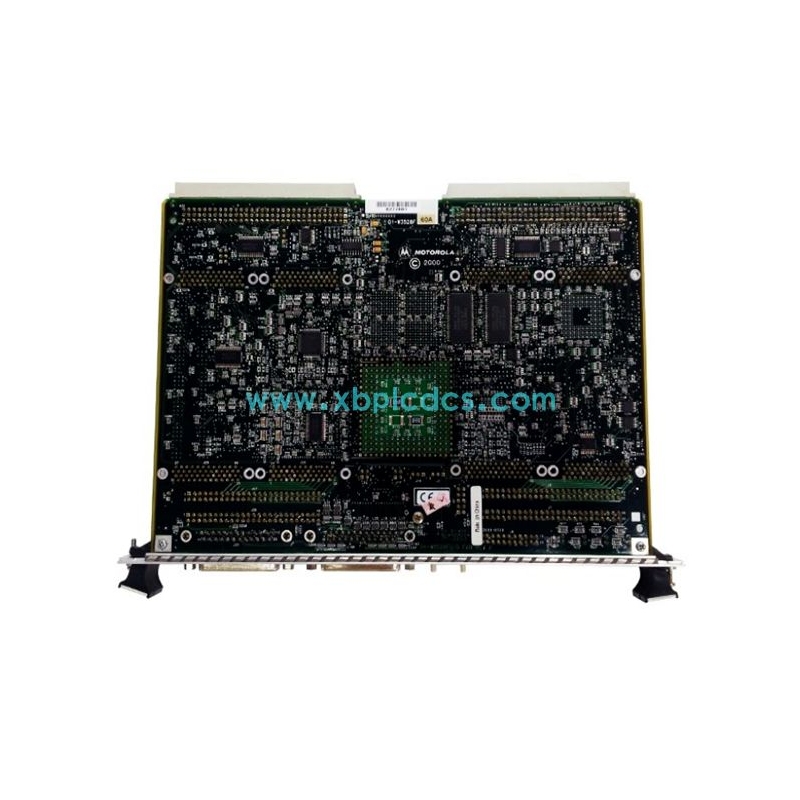
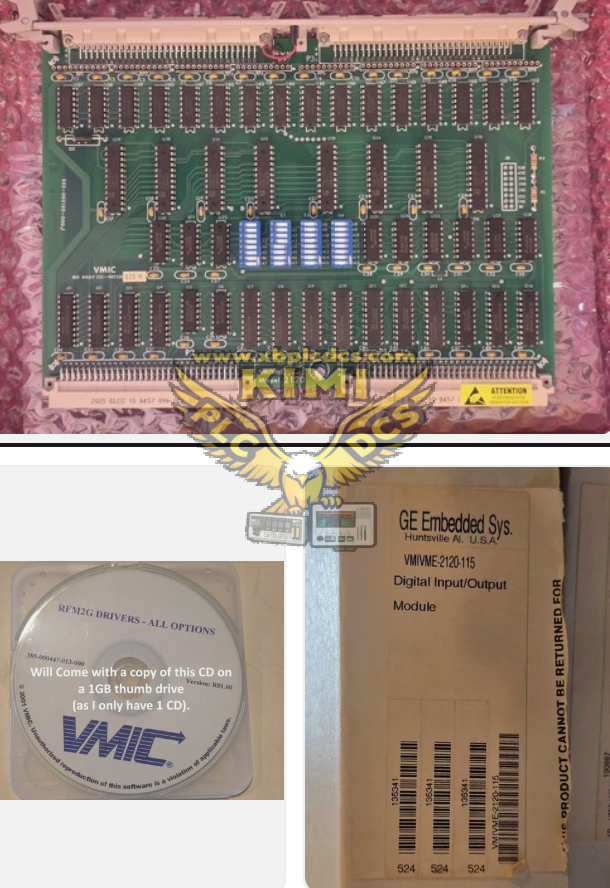
GE‑VMIC VMIVME‑7550 Product Description
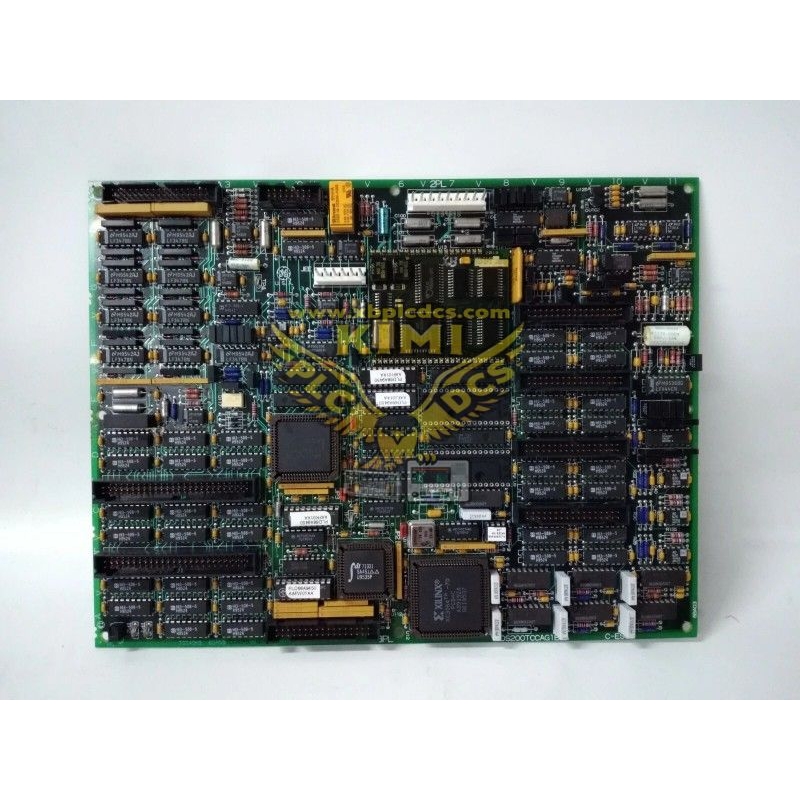
The VMIVME‑7550 is a 16‑channel analog‑output VMEbus module originally from VMIC (GE Intelligent Platforms). It is double‑height Eurocard form‑factor, designed for real‑time control systems, widely deployed in gas‑turbine / steam‑turbine control racks for power‑generation plants. It converts digital bus data into analog voltage or current signals to drive field actuators, control‑valves and position‑drives. This legacy board is end‑of‑manufacture; only available as surplus / refurbished spare inventory. Base firmware pre‑loaded, channel range‑configuration and system mapping must be downloaded via host‑system software before commissioning.
Product Features
- VMEbus A16/D16, A24/D16 interface; 16 single‑ended independent analog‑output channels, 12‑bit DAC resolution.
- Software‑selectable output modes: voltage output ±10 V, ±5 V, +10 V, +5 V; current output 4‑20 mA / 0‑20 mA loop‑powered.
- 1500 V DC galvanic isolation between field output circuits and VME back‑plane bus; settling time 10 µs to 0.012 % full‑scale value.
- On‑board self‑diagnostics for overrange, overcurrent and hardware faults; status‑LED indicators for module health monitoring.
- Operating temperature range 0 °C ~ +55 °C; typical power consumption: +5 V @ 1.5 A, ±12 V @ 0.4 A; double Eurocard VME slot installation, IP20 protection grade.
- Each channel can be individually configured; supports synchronous simultaneous update of multiple channels for coordinated multi‑actuator control.
- Legacy EOL hardware; cannot hot‑swap without system preparation; VME host‑CPU software must match driver/library version compatible with VMIVME‑7550.
Application Scenarios
- Power‑plant steam‑ / gas‑turbine control‑system racks, analog command output to valves, governors and hydraulic‑actuators.
- Industrial real‑time simulation‑test benches, hardware‑in‑the‑loop(HIL) simulation signal generation for power‑equipment research.
- Military‑aerospace embedded VME‑based control‑systems requiring multi‑channel high‑stability analog‑signal output.
- Retrofit‑replacement & spare‑part‑maintenance for existing VMIC‑VME racks equipped with aging VMIVME‑7550 modules.
- Heavy‑industry metallurgy large‑drive‑system VME‑control‑cabinets analog‑control‑signal generation.
Frequently Asked Questions
A1: No. Different model numbers have different channel‑count, resolution, isolation and output‑circuitry. Mechanical size may look identical; must cross‑check channel definition, driver‑software and signal‑range mapping before substitution.
A2: No. Base firmware resides onboard, but channel configuration, output‑range setting and VME‑bus address mapping must be downloaded by host‑CPU software. Perform loop‑signal‑verification before connecting to field actuators.
A3: Check field‑wiring short‑circuit / leakage‑current, verify VME back‑plane power‑supply stability, check host‑system downloaded configuration consistency, inspect DAC‑channel fault‑flags read from module register.
A4: VME‑bus mechanically permits hot‑removal. But VMIVME‑7550 outputs critical control commands to turbine actuators. Follow plant safety‑procedure; block analog‑output commands before removing module, avoid machine trip or unsafe actuation.
A5: Anti‑static wrist‑strap mandatory for servicing. Avoid mechanical‑shock impact. Store in dry low‑humidity environment; retain original anti‑static packaging for spare‑part preservation.