

News
Featured
Contact Us
Contact: POWER DUKE
Phone: +86 18059884790
E-mail: plc66@qq.com
Add: fujian xiamen
- Warehouse: Spot
- Warranty: 365 days
- Quality: Original module
- Condition: New
- Shipping method: Courier delivery
- Contact person: LI MING
- Contact number: +86 18059884790
- WeChat:18059884790
- E-mail: plc66@qq.com
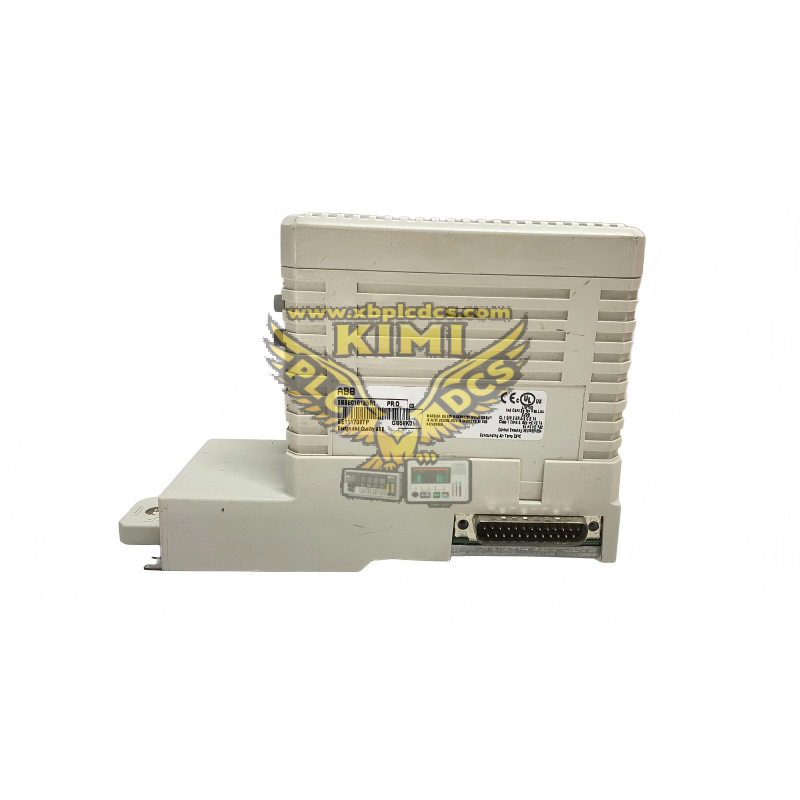
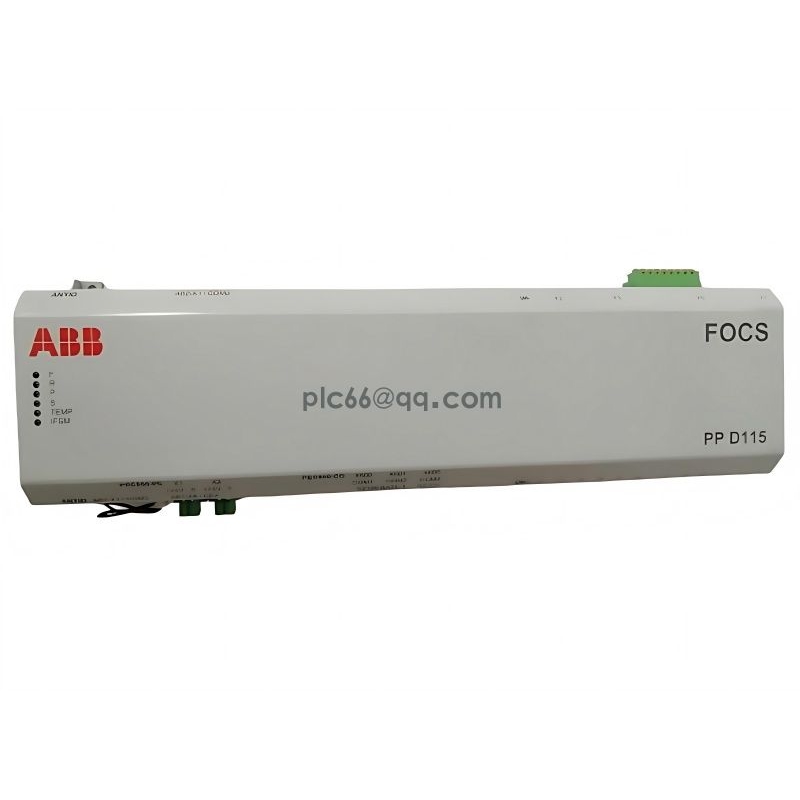
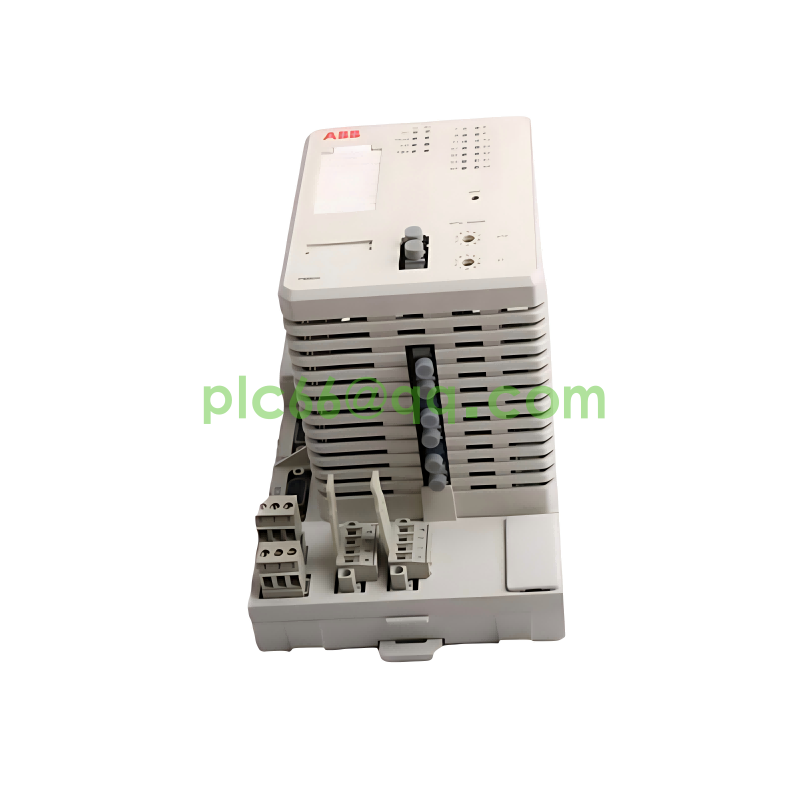
ABB 07KT97 (GJR5253000R0200) Advant Controller AC31‑90 High‑Performance PLC CPU Unit
Product Description
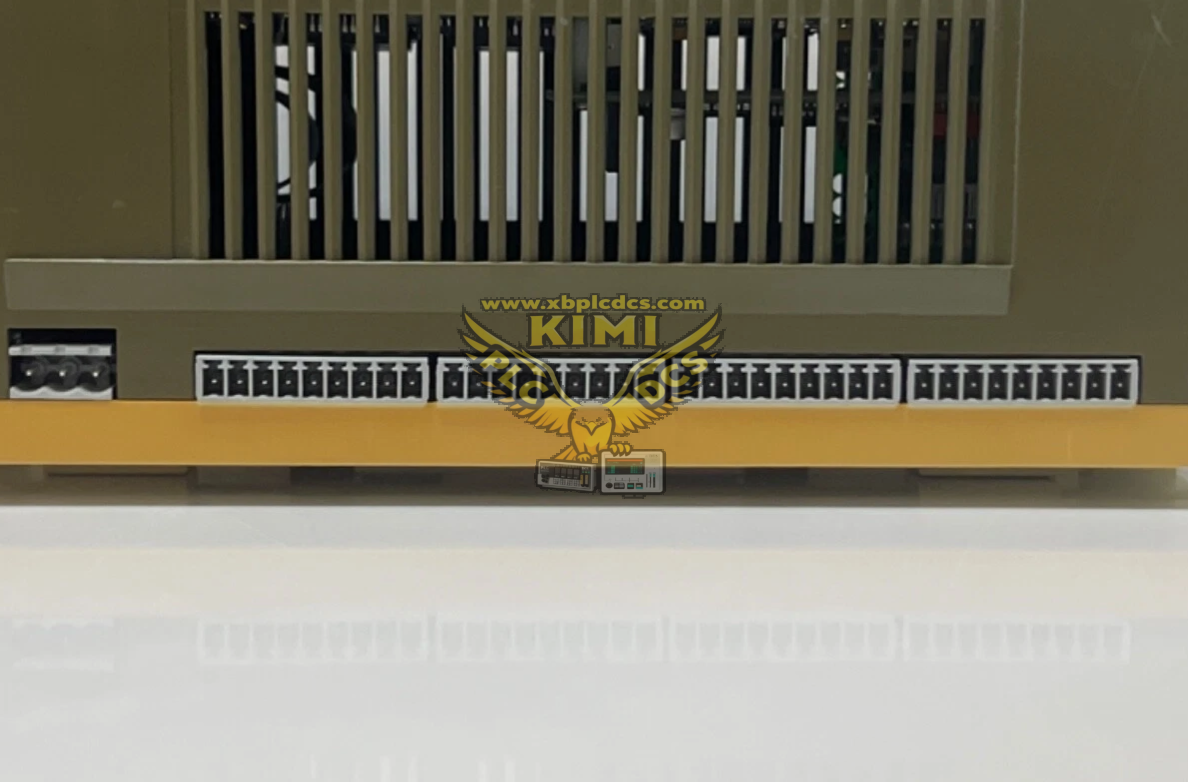
07KT97, part number GJR5253000R0200, is top‑end performance CPU for ABB Advant Controller AC31‑90 series PLC platform. Powered by 32‑bit processor, equipped with large flash program storage, onboard mixed digital‑analog I/O, CS31 system bus master, dual serial COM ports and SmartMedia card slot for program backup / firmware upgrade. Supply voltage 24 VDC, DIN‑rail TS35 mounting, IP20 protection. It serves as CS31 bus master for distributed remote I/O such as 07AC91, 07DI92, 07DO92, and supports optional communication expansion modules (Profibus‑DP, ARCNET, Modbus coupler) via side‑slot interface. Widely deployed on industrial machinery, waste‑gas abatement scrubbers, waste‑water skids and semiconductor fab auxiliary process control systems as legacy spare‑part controller.
Key Functions
- Program memory 480 kB, user data memory 256 kB, Flash‑EPROM persistent storage; supports Ladder Diagram, Structured Text programming via 907 AC1131 software
- On‑board I/O: 24‑channel opto‑isolated 24 VDC digital input; 16‑channel isolated transistor digital output; 8 multi‑mode analog inputs; 4 analog outputs
- Analog input configurable: ±10 V, 0‑20 mA, 4‑20 mA, Pt100 2‑wire / 3‑wire RTD; analog output: ±10 V, 0‑20 mA,4‑20 mA
- CS31 RS‑485 system‑bus master at 187.5 kBaud; supports up to 31 CS31 slave nodes on single bus segment, maximum bus length 500 m (with repeater up to 2000 m)
- Dual COM serial ports (COM1 / COM2): for programming, Modbus‑RTU master/slave, ASCII host communication; side expansion slot for optional fieldbus coupler modules (07KP90 etc.)
- SmartMedia card slot for program backup, data logging and operating‑system update; integrated real‑time clock; lithium backup battery for retentive data when power fails
- Two integrated high‑speed counter channels; built‑in PID control function blocks; front‑panel LED indicators: Power, RUN, STOP, System Fault, CS31 bus error, channel diagnostic status
- Operating temperature range: 0 °C ~ +55 °C; reverse‑polarity protection; industrial EMC compliance, weight approx 0.8 kg
Application Scenarios
- ABB AC31‑90 distributed automation system as high‑end CS31 master CPU controller
- Semiconductor factory auxiliary equipment: abatement scrubber, waste‑water treatment skid, gas cabinet sequencing and interlock control
- Packaging machinery, material‑handling, process‑auxiliary cabinets requiring large program memory and mixed analog‑digital local I/O
- Spare‑part replacement for legacy installed AC31‑90 automation installations; supports mixed‑media sensor inputs including Pt100 temperature transmitters
Common Issues & FAQ
- CS31 bus fault / remote‑I/O stations drop‑off: Confirm 120 Ω termination resistor fitted on both physical bus ends; eliminate CS31 station‑address conflict; inspect shielded RS‑485 cable routing, grounding and maximum cable‑length limits; verify stable 24 VDC supply for remote slave modules.
- Program loss / RTC reset after power‑cycle: Replace aged lithium backup‑battery; confirm application program saved into Flash‑EPROM; SmartMedia card can be used for full program backup for recovery purpose.
- Cannot connect programming tool: Check serial cable wiring, RUN‑STOP switch position; match baud‑rate, parity and protocol parameters inside 907 AC1131 engineering software.
- ERR LED steady‑on: Read PLC system diagnostic buffer; possible triggers: program runtime error, CS31 bus failure, I/O short‑circuit, expansion‑module fault or internal hardware damage.
- Refurbished‑unit note: After replacement, download original user application program; validate CS31 bus‑node configuration; perform local‑I/O loop‑back test, full CS31 slave‑station scan and complete equipment‑sequence test before commissioning. Check lithium backup‑battery status before putting into production service; verify compatibility with existing expansion coupler modules.