


KIMI Phone:+86 18059884790      中文版
GE
Home > GE
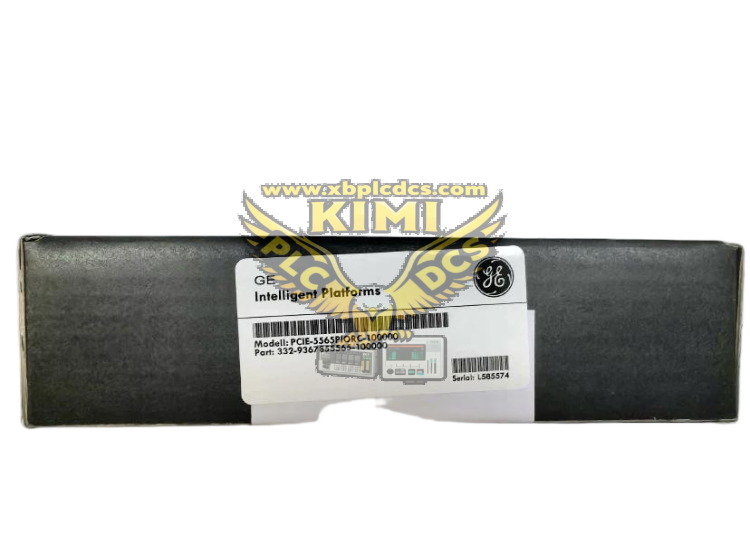
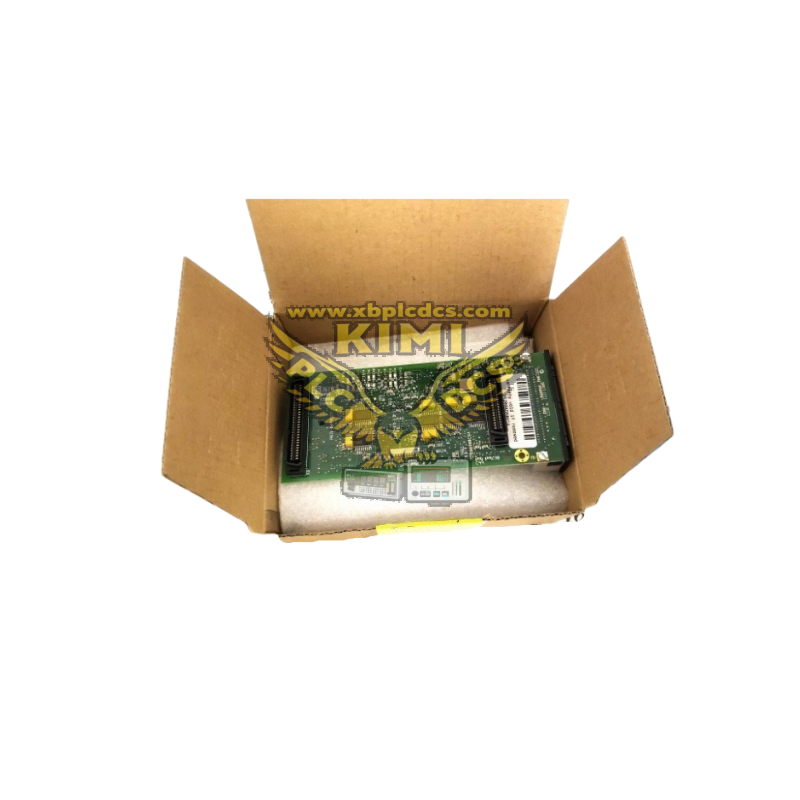
GE PCIE-5565PIORC-100A00 Reflective Memory Card--kimi
  • Warehouse: Spot
  • Warranty: 365 days
  • Quality: Original module
  • Condition: New
  • Shipping method: Courier delivery

  • Contact person: LI MING
  • Contact number: +86 18059884790
  • WeChat:18059884790
  • E-mail: plc66@qq.com

Product Description


GE PCIE-5565PIORC-100A00 Reflective Memory Card
Low-Latency Real-Time Data Sharing for Multi-Node Industrial & Aerospace Systems
1. Product Overview

The GE PCIE-5565PIORC-100A00 is a high-performance PCI Express reflective memory card, designed for real-time data synchronization and sharing in distributed multi-node systems. It integrates a 100Mbps optical fiber interface and reflective memory technology, enabling deterministic, low-latency data transmission between up to 256 nodes in a network. The card features a large on-board memory buffer, supports hot-swapping and redundant network configuration, and is built to withstand extreme temperatures, shock, and vibration. Widely applied in industrial control, aerospace simulation, military test systems, and power grid monitoring, it ensures seamless data consistency across distributed controllers, enhancing system response speed and operational reliability in mission-critical scenarios.


PCIE-5565PIORC.png


2. Key Technical Specifications
• Brand & Model: GE PCIE-5565PIORC-100A00
• Product Type: PCI Express Reflective Memory Card with Optical Fiber Interface
• Interface: PCIe x4 (Gen 1), 100Mbps Multi-Mode Optical Fiber (Duplex LC Connector)
• Reflective Memory Capacity: 1GB (On-Board DDR3 SDRAM)
• Network Topology: Star, Daisy-Chain, Dual-Ring (Redundant Configuration Supported)
• Maximum Nodes: 256 Nodes per Network
• Data Latency: < 10µs (End-to-End for 1KB Data Packet)
• Determinism: Jitter < 1µs, Ensuring Predictable Data Transmission
• Operating Temperature: -40°C to +85°C (-40°F to +185°F)
• Storage Temperature: -55°C to +125°C (-67°F to +257°F)
• Shock Resistance: 50g (½-sinewave, 11ms Duration)
• Vibration Resistance: 10g RMS (10-2000Hz)
• Power Consumption: Max 15W (Full Load)
• Dimensions: Standard PCIe Card Form Factor (167mm × 111mm × 20mm)
• Weight: Approx. 300g

• Certification: CE, UL, MIL-STD-810G, ATEX


s-l1600.png


3. Core Features
• Ultra-Low Latency: Sub-10µs end-to-end delay ensures real-time data synchronization for time-sensitive systems.
• High Determinism: Minimal jitter guarantees predictable performance for mission-critical applications.
• Redundant Network Support: Dual-ring topology option provides fault tolerance and system resilience.
• Large Memory Buffer: 1GB on-board DDR3 memory enables high-volume data caching and sharing.
• Optical Fiber Interface: Immunity to electromagnetic interference (EMI) and long transmission distance (up to 2km).
• Hot-Swappable: Supports online node replacement without disrupting network operation.
• Robust Environmental Design: Withstands extreme temperatures, shock, and vibration for harsh industrial/aerospace use.

• Easy Integration: Compatible with Windows, Linux, VxWorks operating systems; supports standard API for quick software developme


s-l1600 (1).png

nt.

4. Typical Applications
• Aerospace & Defense: Flight simulation systems, unmanned aerial vehicle (UAV) control, radar data processing.
• Industrial Automation: Distributed control systems (DCS), robot coordination, high-speed production line synchronization.
• Test & Measurement: Automotive chassis dynamometer testing, power electronics device characterization, multi-channel data acquisition.
• Power Grid: Substation automation, smart grid real-time monitoring, energy management system (EMS) data sharing.
• Marine: Shipboard control systems, offshore platform monitoring, marine equipment simulation.
5. Installation & Maintenance
Installation Steps
• Mounting: Insert into a PCIe x4 or higher slot on the host computer motherboard; secure with a bracket screw.
• Optical Fiber Connection: Connect duplex LC optical fiber cables to the card's fiber port; ensure proper alignment for low signal loss.
• Network Configuration: Set node ID via on-board DIP switches; configure network topology (star/daisy-chain/dual-ring) with GE configuration software.
• Driver Installation: Install device drivers and SDK; verify card recognition via system device manager.
Maintenance Tips
• Optical Port Cleaning: Clean LC connectors with fiber optic cleaning tools quarterly to prevent signal degradation.
• Firmware Update: Update card firmware via GE official software to optimize performance and compatibility.
• Redundancy Test: Simulate single fiber link failure monthly to verify dual-ring redundancy switching function.
• ESD Protection: Use anti-static wristbands and mats when handling the card to avoid electrostatic damage.
Technical Document | GE PCIE-5565PIORC-100A00 | Reflective Memory Card | Real-Time Multi-Node Data Synchronization
Related recommendations