

News
Featured
Contact Us
Contact: POWER DUKE
Phone: +86 18059884790
E-mail: plc66@qq.com
Add: fujian xiamen
- Warehouse: Spot
- Warranty: 365 days
- Quality: Original module
- Condition: New
- Shipping method: Courier delivery
- Contact person: LI MING
- Contact number: +86 18059884790
- WeChat:18059884790
- E-mail: plc66@qq.com
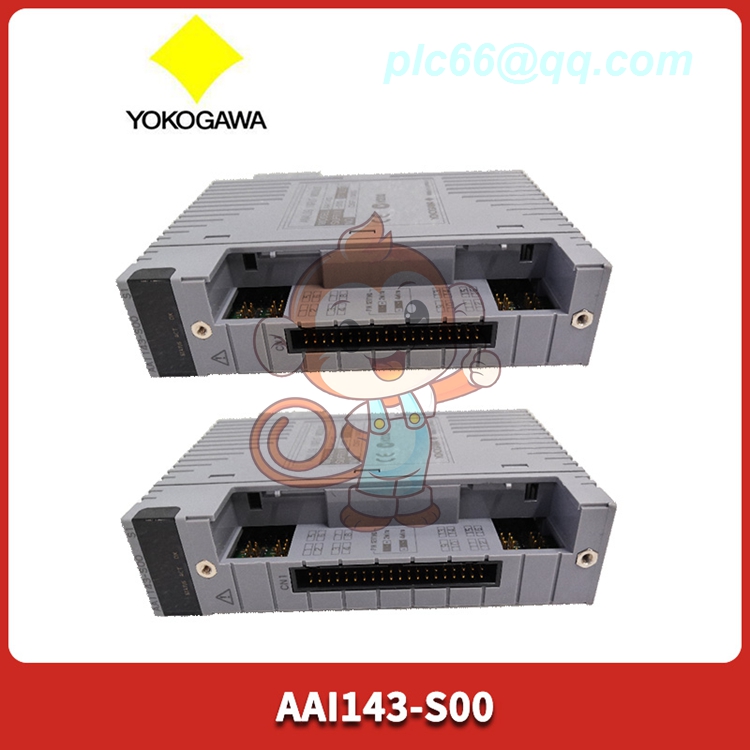
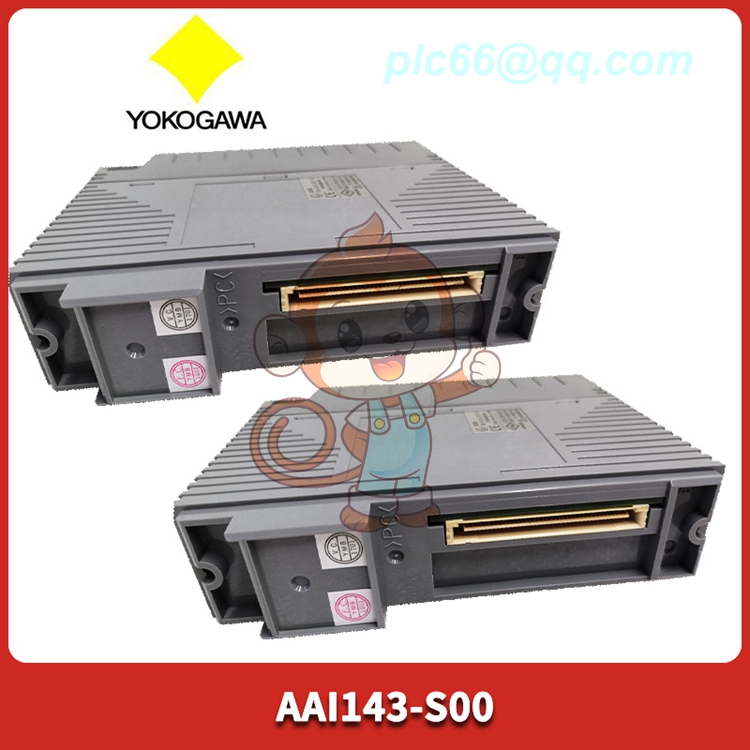
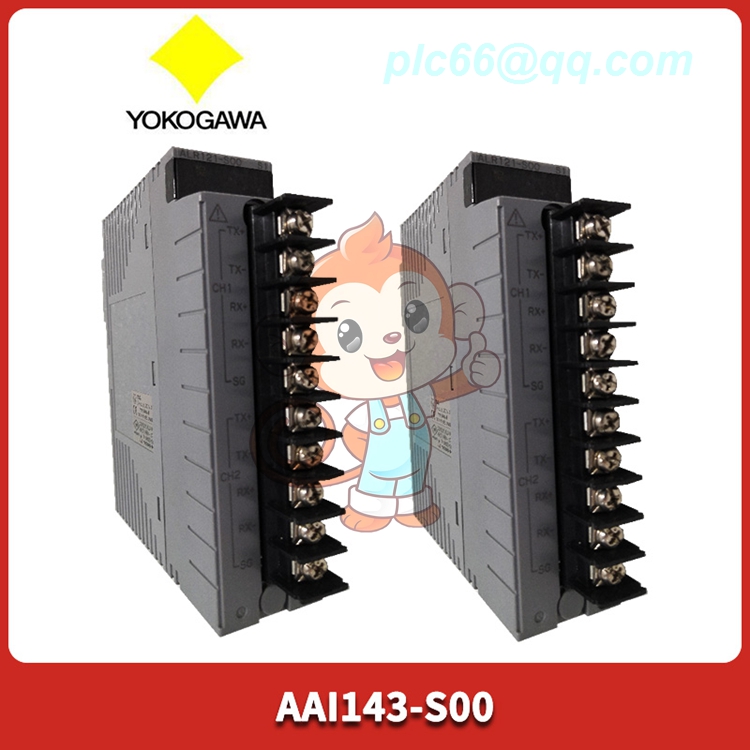
Product Model: YOKOGAWA AAI143‑S00 S1, 16‑Channel Isolated 4‑20mA Analog Input Module (CENTUM‑VP DCS)
1. Product Description
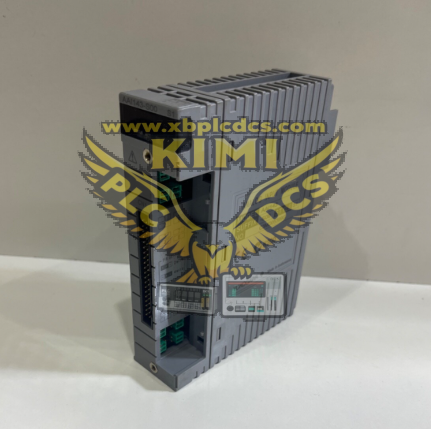
AAI143‑S00 S1 is a standard‑specification isolated analog input module developed by Yokogawa for the CENTUM‑VP distributed control system. It provides 16 fully‑isolated input channels that accept standard 4‑20 mA DC signals from 2‑wire or 4‑wire field transmitters, without built‑in HART communication function. Each channel supports independent galvanic isolation (1500 V AC withstand voltage), high‑precision 16‑bit A/D conversion and on‑board signal filtering. The S1 suffix represents hardware variant with pressure‑clamp terminal connection interface. This hot‑swappable module communicates with the DCS controller via ESB bus, supports single‑redundant installation, and features wide operating temperature from ‑20℃ to +70℃, designed for long‑term, stable 24‑hour continuous operation in process‑industry control cabinets.
2. Core Product Functions
- Acquire 4‑20 mA analog signals from field pressure, temperature, flow and liquid‑level transmitters
- Convert continuous analog current signals to high‑resolution digital data for DCS processor calculation
- Channel‑to‑channel galvanic isolation, eliminating ground‑loop interference between field instruments and control rack
- Built‑in low‑pass hardware filter for suppressing high‑frequency electromagnetic noise and reducing signal jitter
- Real‑time self‑diagnosis: open‑circuit, short‑circuit, over‑range and module communication fault detection
- Support hot‑swap replacement and single‑redundant configuration to avoid process interruption during maintenance
- Transmit sampled process data and channel fault alarms to HMI operator station and upper SCADA monitoring system
- Fast data‑update cycle of 10 ms to meet the response requirements of closed‑loop process control loops
3. Application Scenarios
- Petrochemical refinery DCS monitoring cabinets for pipeline flow, pressure and tank liquid‑level measurement
- Thermal‑power‑plant boiler and turbine auxiliary‑equipment temperature and flue‑gas parameter acquisition racks
- Chemical plant reactor temperature, dosing‑flow and reaction‑pressure automatic control systems
- Municipal water‑supply and sewage‑treatment multi‑parameter process signal‑collection control panels
- Natural‑gas compressor‑station non‑hazardous‑area process‑parameter monitoring and control cabinets
- Metallurgy, cement and papermaking factory production‑line continuous‑process monitoring DCS nodes
4. Common Problems & Troubleshooting
Q1: DCS cannot recognize AAI143‑S00 S1 module after rack power‑on
A: Power‑off the DCS rack, pull out and fully re‑seat the module; clean oxidized gold‑finger contacts on the back‑plane slot; verify stable 24VDC auxiliary‑power‑supply output.
Q2: Analog measured values drift and fluctuate heavily during continuous running
A: Replace common cables with shielded twisted‑pair wires; separate analog‑signal wiring from high‑power motor cables; increase digital‑filter time‑constant parameters in DCS configuration software.
Q3: DCS reports channel open‑circuit fault while the field transmitter works normally
A: Retighten pressure‑clamp terminal wiring; remove oxide on wire metal contacts; inspect broken or aging extension cables between module and field transmitters.
Q4: Single channel displays constant over‑range reading without valid field input signal
A: Swap field wiring to a spare healthy channel to confirm internal module hardware failure; re‑calibrate zero and span values of the faulty channel using DCS engineering tool.
Q5: Redundant switch‑over failure triggers temporary process‑data‑loss alarm
A: Check consistent configuration parameters of primary and standby modules; clean ESB‑bus back‑plane contacts; inspect loose internal communication wiring inside the DCS node rack.