Product Overview
The FU20-10-T1-FSM is a four-in-one wide-body pH/ORP sensor from Yokogawa. A single 26 mm unbreakable PPS 40GF (Ryton) body integrates the pH glass electrode, the Ag/AgCl double-junction reference, a solid platinum ORP electrode and a Pt1000 temperature element, so pH, redox and temperature can be read from one insertion point. The flat-surface (FSM) glass configuration resists build-up and mechanical wear in fibrous, abrasive and solids-laden media, and the polymerised saturated KCl electrolyte with an Ag+ ion trap keeps the reference stable far longer than refillable designs.
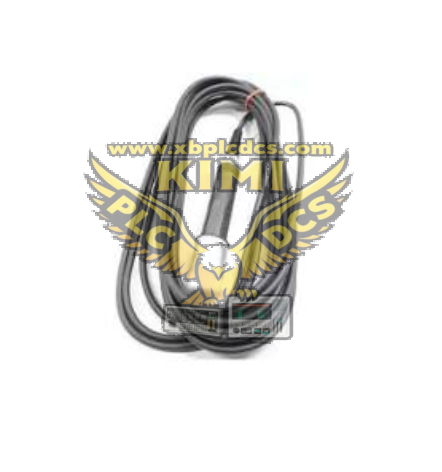
The 10 m fixed coaxial cable with four numbered leads and the integral 3/4" tapered thread allow in-line, immersion or off-line mounting without extra fittings. The sensor is intended for general-purpose processes where simplicity, accuracy and long service life matter, and it pairs directly with Yokogawa two-wire pH analyzers such as the FLXA21 and FLXA202.
pH range
0 – 14 pH
2 – 12 pH at elevated temperature
ORP range
-1500 – 1500 mV
Solid platinum electrode
Temperature
-10 – 105 °C
Integrated Pt1000 (IEC 751)
Pressure
0 – 10 bar
0 – 145 psig
Body material
PPS 40GF
Ryton, 26 mm wide body
Cable / thread
10 m · 3/4" NPT
Coaxial + 4 numbered leads
Key Features
Four measuring elements in one body
pH glass electrode, Ag/AgCl reference, solid platinum ORP electrode and Pt1000 temperature element share a single 26 mm housing. One installation delivers pH, redox and temperature simultaneously — no second probe, no extra port, no additional wiring run.
Long-life double-junction reference with Ag+ ion trap
The reference uses a double junction filled with polymerised saturated KCl and fitted with a silver-ion trap, which slows electrolyte depletion and blocks poisoning by sulphides, heavy metals and other contaminants. Reference life is extended considerably in chemically unfavourable service.
Flat-surface (FSM) glass for fouling and abrasive duty
The flat diaphragm is self-cleaning in flowing media and tolerates solids, pulp, fibres and light abrasion far better than a conventional dome tip. Nominal glass impedance of 700 MΩ at 25 °C keeps the signal stable over long cable runs.
Porous PTFE junction resistant to fouling
A porous PTFE reference diaphragm resists clogging and reduces junction potential drift, so measured pH stays consistent between calibrations even in media that normally block ceramic junctions.
Unbreakable chemical-resistant PPS 40GF housing
The glass-filled Ryton body survives thermal shock, mechanical impact and attack by most aqueous process chemicals, and the integral 3/4" tapered thread mounts directly into standard fittings.
Fast, predictable response
Better than 15 s to reach 90 % of a 7 to 4 pH step, and under 1.5 min for a 10 °C temperature step. Slope exceeds 96 % of theoretical value with asymmetry potential of 8 ± 15 mV, reducing calibration effort and drift alarms.
Simple installation and maintenance
A 10 m fixed cable with colour and number coded leads terminates directly at the analyzer, with no junction box and no connector to corrode. In-line, immersion and off-line mounting are all supported, and optional quick-release adapters allow the sensor to be removed for cleaning in seconds.
Non-refillable, low running cost
The polymerised electrolyte never requires topping up, so there is no bench work and no risk of an operator forgetting a refill. Every sensor ships with a quality certificate.
Typical Applications
Designed for general-purpose pH and redox measurement across water, chemicals, food and heavy industry.
Water & Wastewater
Influent and effluent pH, neutralisation control, aeration basins, municipal and industrial discharge monitoring.
Chemical & Petrochemical
Reactor, scrubber and neutralisation loop pH, oxidation-reduction potential in chlorination and sulphide control.
Food & Beverage
CIP caustic and acid concentration, fermentation and brewing pH, rinse-water verification.
Pulp, Paper & Mining
Stock and white-water pH, bleach plant and flotation circuit redox, slurries where a flat surface resists fouling.
Power & Pure Water
Boiler and cooling-water chemistry, condensate and demineraliser outlet checks where conductivity exceeds 50 µS/cm.
Metal Finishing & Surface Treatment
Plating baths, pickling and etching lines, phosphating and passivation where ORP controls the process chemistry.
Frequently Asked Questions
What does each part of the model code FU20-10-T1-FSM mean?
FU20 is the 26 mm wide-body sensor platform. The suffix −10 specifies a 10 m fixed cable (alternatives are 3, 5 and 20 m). T1 specifies the Pt1000 temperature element to IEC 751. FSM specifies the flat-surface measuring glass, as opposed to NPT for the dome-shape version.
Can it measure pH and ORP at the same time?
Yes. The sensor carries a pH glass electrode, a reference system and a solid platinum ORP electrode, so pH and redox potential can be measured simultaneously from the same insertion point, together with process temperature from the integrated Pt1000.
What are the operating limits for temperature, pressure and conductivity?
−10 to 105 °C and 0 to 10 bar (0 to 145 psig). The sample must not freeze. Minimum conductivity is 50 µS/cm. The full 0 to 14 pH span applies at ambient temperature; above that, operation should stay within 2 to 12 pH to avoid shortening glass life.
Does the electrolyte need refilling?
No. The reference is filled with a polymerised saturated KCl electrolyte and is non-refillable. Combined with the double junction and the Ag+ ion trap, this removes routine topping-up and keeps the reference stable until the sensor reaches end of life.
Which analyzer should it be connected to?
FU20 sensors are designed for Yokogawa two-wire liquid analyzers, such as the FLXA21 and FLXA202, and the PH202 series transmitters. The 10 m coaxial cable with four colour-coded leads connects directly to the analyzer terminals without an intermediate junction box.
How is it installed in a pipeline or tank?
The body has an integral 3/4" tapered thread for direct mounting into standard fittings, with support for in-line, immersion and off-line configurations. Optional adapters include 1" NPT in 316L stainless or titanium, 1" BSP in 316L or titanium, and a Noryl F40 adapter. Yokogawa quick-release adapters allow removal for cleaning without disturbing the process connection.
How do I know when the sensor needs replacement?
Track slope and asymmetry potential at each calibration. A slope falling below 90 to 95 % of theoretical value, an asymmetry potential drifting outside ±15 mV, or a response that no longer settles within about two minutes after cleaning are the usual indicators that the glass or reference has aged and the sensor should be replaced.