

News
Featured
Contact Us
Contact: POWER DUKE
Phone: +86 18059884790
E-mail: plc66@qq.com
Add: fujian xiamen
- Warehouse: Spot
- Warranty: 365 days
- Quality: Original module
- Condition: New
- Shipping method: Courier delivery
- Contact person: LI MING
- Contact number: +86 18059884790
- WeChat:18059884790
- E-mail: plc66@qq.com
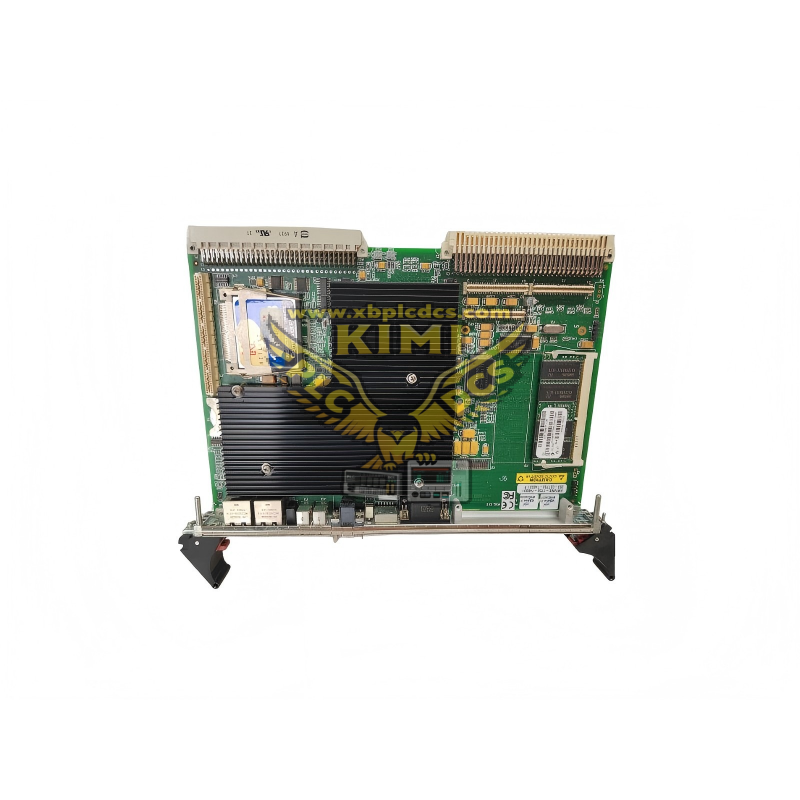
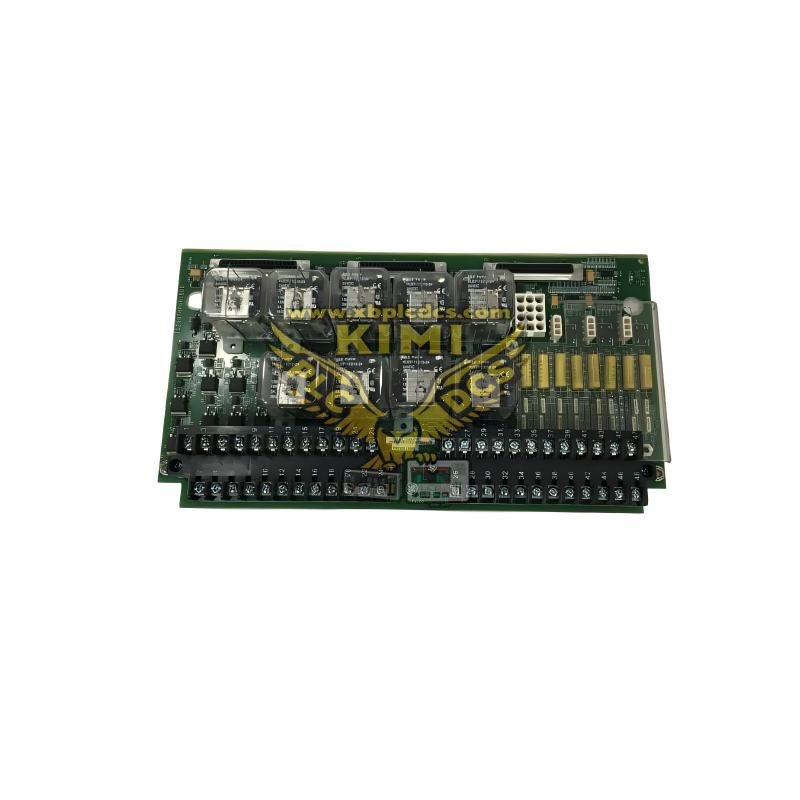
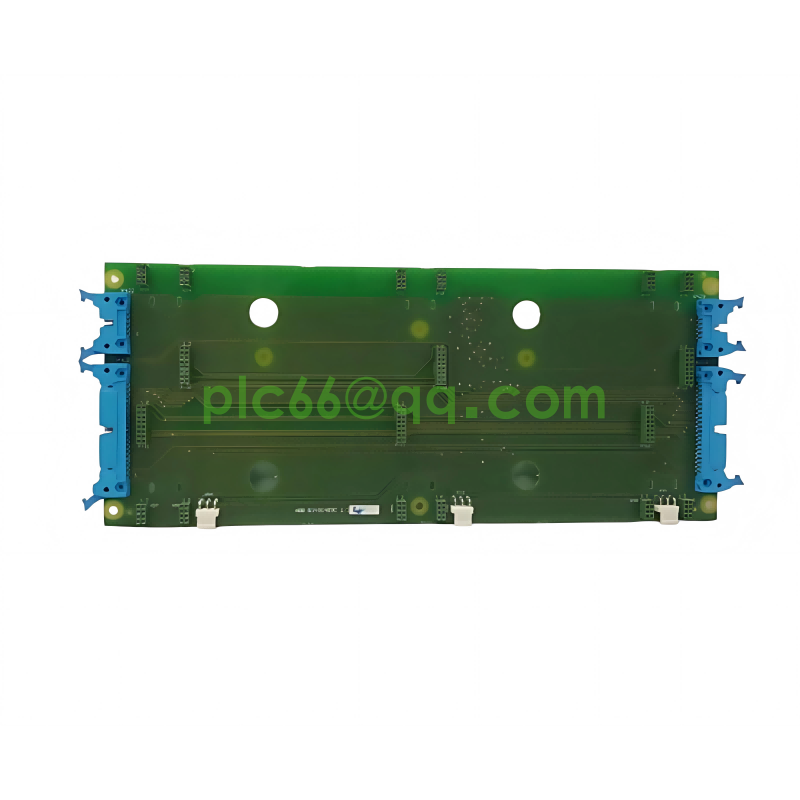
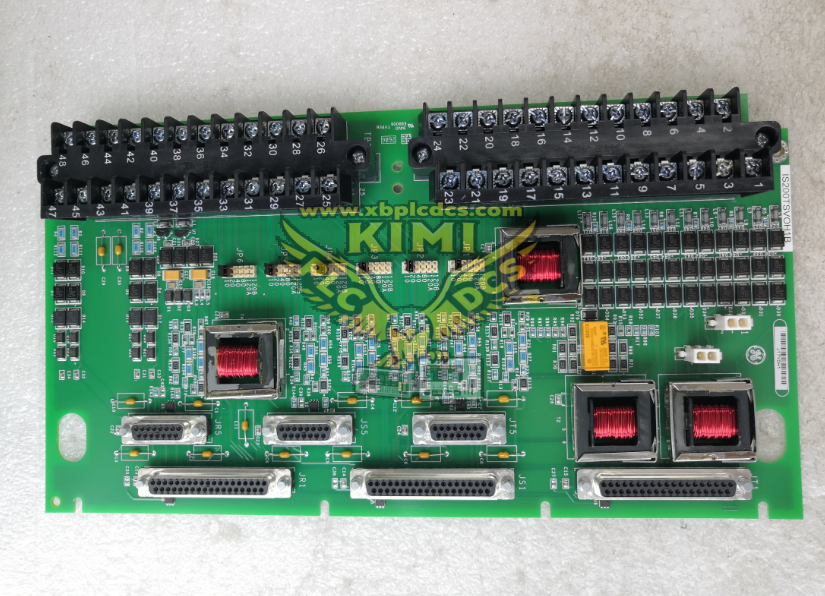
Product Model: GE IS200TSVOH1B Servo Terminal Board (Mark VI Speedtronic Turbine Control System)
1. Product Description
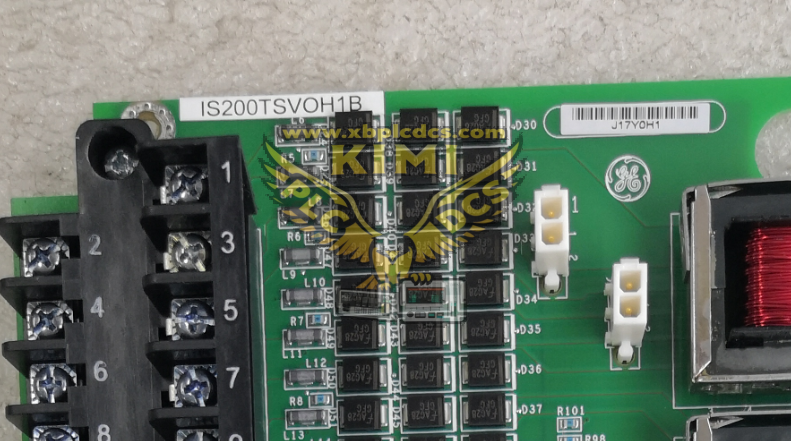
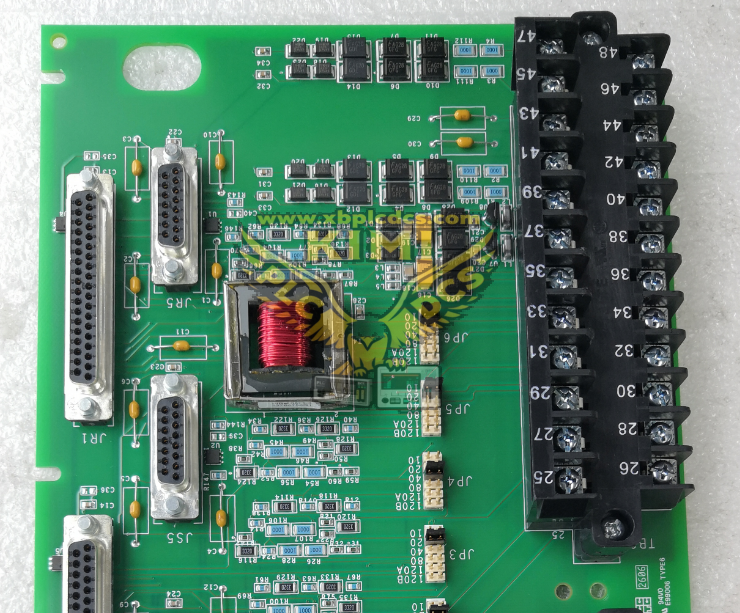
IS200TSVOH1B (TSVO board) is a dedicated servo signal termination PCB exclusively developed for GE Mark VI TMR triple redundant turbine control platform. This surface-mount multilayer printed circuit board acts as the intermediate wiring bridge between VSVO servo processor cards and field electro-hydraulic servo valves, LVDT/RVDT valve position feedback sensors. Equipped with dual-channel servo drive circuits, barrier screw terminal blocks, multi-pin ribbon cable connectors and built-in signal isolation transformers, it integrates RC signal filtering, transient surge suppression and short-circuit protection components to shield core control hardware from field electrical interference. The H1B hardware revision optimizes signal stability and temperature adaptability, supporting continuous operation from 0°C to +65°C. It is installed inside the Mark VI VME control rack, matching redundant control architecture for gas/steam turbine fuel and steam valve precise positioning control.
2. Core Product Functions
- Provide standardized terminal wiring interface for two sets of field electro-hydraulic servo valve drive signals
- Receive LVDT/RVDT valve position feedback signals and transmit conditioned analog data to VSVO servo control cards
- Convert digital servo control commands from rack CPU into analog drive current to regulate valve opening percentage
- Built-in isolation and filter circuits to eliminate high-frequency EMI noise between rack control boards and field hydraulic equipment
- On-board hardware self-check for servo channel open circuit, short circuit and LVDT signal loss faults
- Support triple modular redundant signal transmission matching Mark VI TMR safety control logic
- Transmit valve position deviation and servo drive fault alarms to turbine main controller and upper SCADA monitoring system
Decouple field wiring from core processor boards to simplify on-site maintenance without removing main control cards
3. Application Scenarios
- Combined cycle power plant Mark VI gas turbine fuel control valve servo signal cabinets
- Thermal power station steam turbine main steam and bypass valve positioning control racks
- Petrochemical refinery self-generation turbine hydraulic servo valve monitoring panels
- Natural gas compressor station gas turbine speed control servo termination systems
- Waste heat recovery power plant industrial turbine auxiliary valve control cabinets
Offshore platform power generation turbine fuel and air flow servo control units
4. Common Problems & Troubleshooting
Q1: Turbine reports LVDT position feedback loss, valve position display invalid
A: Tighten loose LVDT wiring terminal screws; clean oxidized contact pins on board terminal blocks; inspect damaged internal signal transformers on the PCB; check broken shielded field cables.
Q2: Servo valve jitters severely with unstable valve opening control
A: Replace failed filter resistors/capacitors on IS200TSVOH1B; separate servo signal cables from high-power motor power lines; reinforce cabinet grounding to reduce ground loop interference.
Q3: VSVO servo processor cannot communicate with the TSVO termination board
A: Power off the entire control rack, unplug and re-seat all ribbon connectors fully; clean gold finger contacts of the board; test stable rack 24VDC auxiliary power supply.
Q4: Servo channel short-circuit triggers system turbine trip protection
A: Disconnect field servo valve wiring to isolate short-circuit loops; check burnt PCB traces and damaged surge suppression components; replace the board if internal circuits are irreparably burned out.
Q5: Intermittent valve position deviation alarms occur randomly during unit operation
A: Clear dust accumulation on PCB surface blocking heat dissipation; replace aging terminal block connectors; calibrate zero and span parameters of LVDT feedback channels in turbine control software.